Turning a Cash Cow Product into a Retention Engine
Owned the scanner app end to end across Android and iOS at a bootstrapped Israeli startup crossing $10M revenue and 10M users. Mandate: find and unlock the product's growth ceiling.
Owned the scanner app end-to-end for two years at a bootstrapped startup with 10M users. Ran a structured program of A/B testing, funnel analysis, and user interviews to fix the permissions flow, redesign the gallery, and add first-use onboarding. Introduced geo-based price differentiation to unlock price-sensitive markets, and guided a migration from OpenCV to Apple's Vision framework.
Background
It was a bootstrapped Israeli startup building B2C mobile apps and B2B SaaS with AI at the core, crossing $10M in revenue and 10 million users. I joined as a Product Manager in September 2020 and owned the scanner app end to end across Android and iOS for two years.
The scanner was the company's biggest product. My mandate was to find and unlock its growth ceiling.
The Problem
Users download a scanner app for a specific task, complete that task, and often never return. The default trajectory for this category is a spike in installs followed by a slow bleed in engagement, with most value leaking through low retention and users who never convert to paid.
The most wanted response rate (scanning a document) sat at 15.6% when I started. Returning user rates were low. Subscription renewal was underperforming relative to what a product at this scale should compound.
Approach
I ran a structured program of A/B testing, user interviews, and funnel analysis across Firebase, Adjust, Facebook Analytics, User Testing, AppMetrica, and UXCam - looking for the sequence of decisions causing users to disengage before they understood what the product could do for them.
Three areas stood out as high-leverage:
Permissions timing
The permissions ask was happening too early, before users had experienced enough to have a reason to say yes. Moving it later in the flow - after completing their first scan and seeing the output - changed the context of the ask entirely.
Gallery redesign
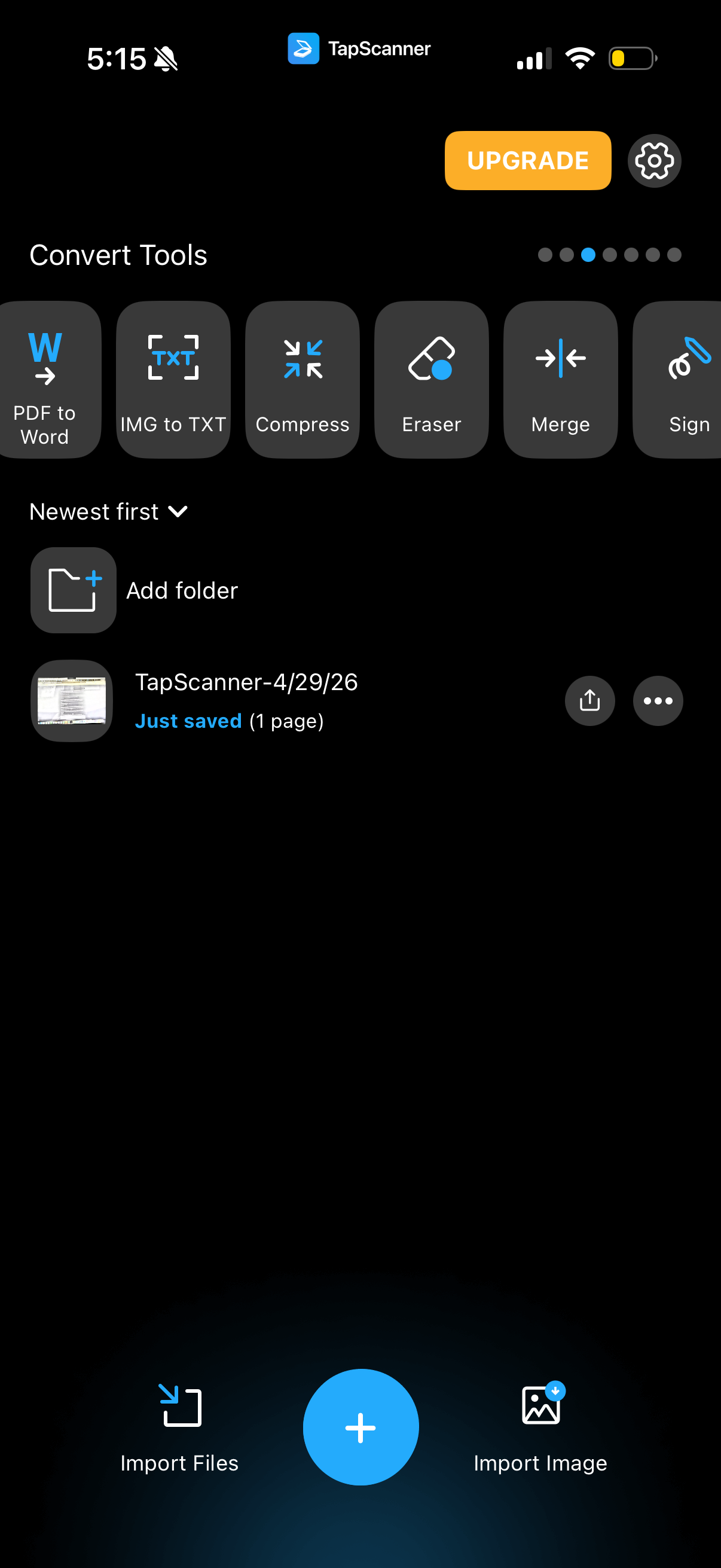
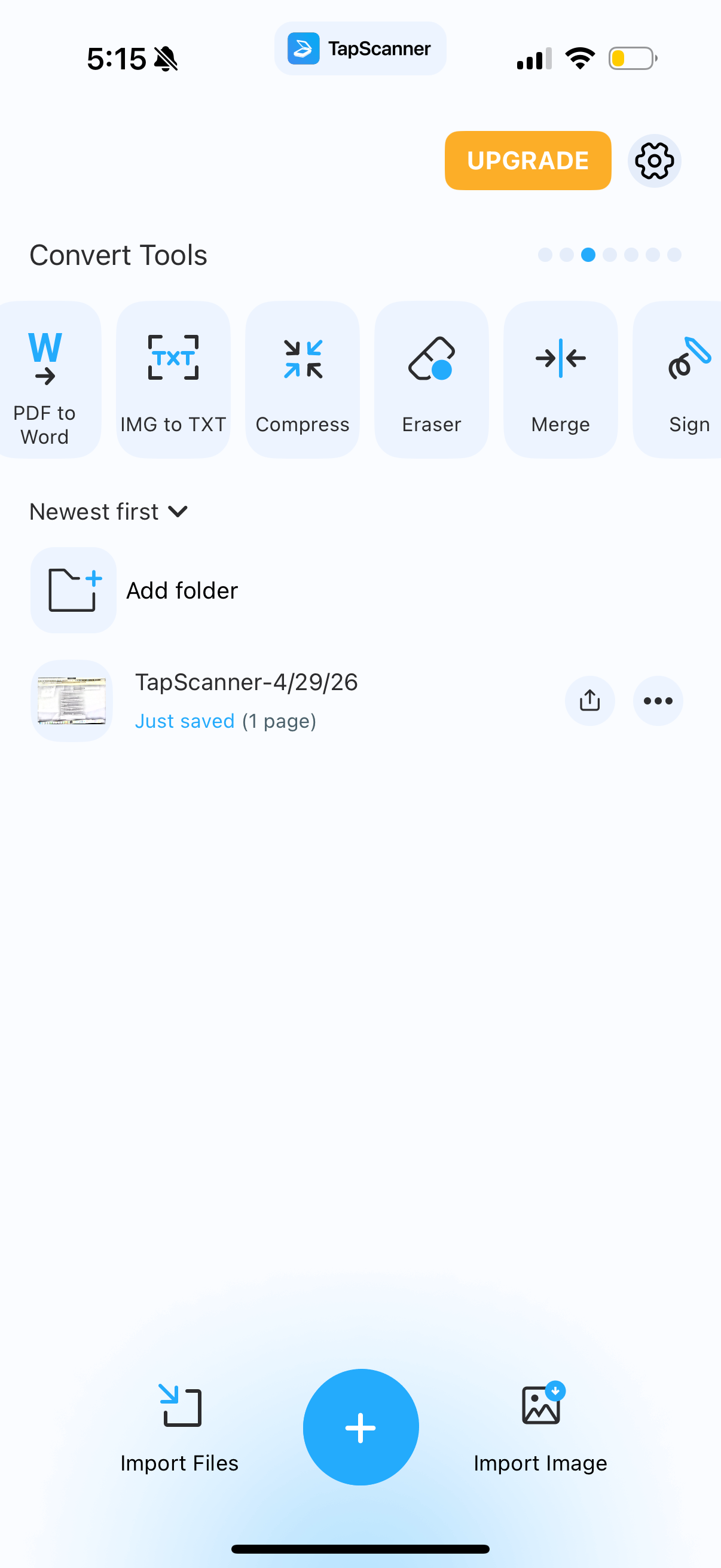
Documents were hard to find, hard to organize, and the interface did not surface recent or relevant scans. A redesigned gallery gave returning users something to come back to. We found that some users were by default using the app as document storage, and this was something we could capitalize on and improve upon.
Scan flow onboarding
The scan flow had no onboarding tutorial. New users who did not know what a well-framed scan looked like were producing poor results and attributing that to the app. A short tutorial at first use changed that attribution and improved early satisfaction.
A/B Testing and Conversion
The conversion work was systematic. I ran iterative A/B tests on paywall timing, pricing presentation, and the framing of premium features. Each test generated a clear hypothesis, ran to statistical significance, and fed into the next iteration. The cumulative effect raised average revenue per customer by 28%.
Consistent signal across tests: users who hit a meaningful value moment in the first session had dramatically higher downstream retention and willingness to pay. That shaped every subsequent prioritization decision.
Pricing Differentiation
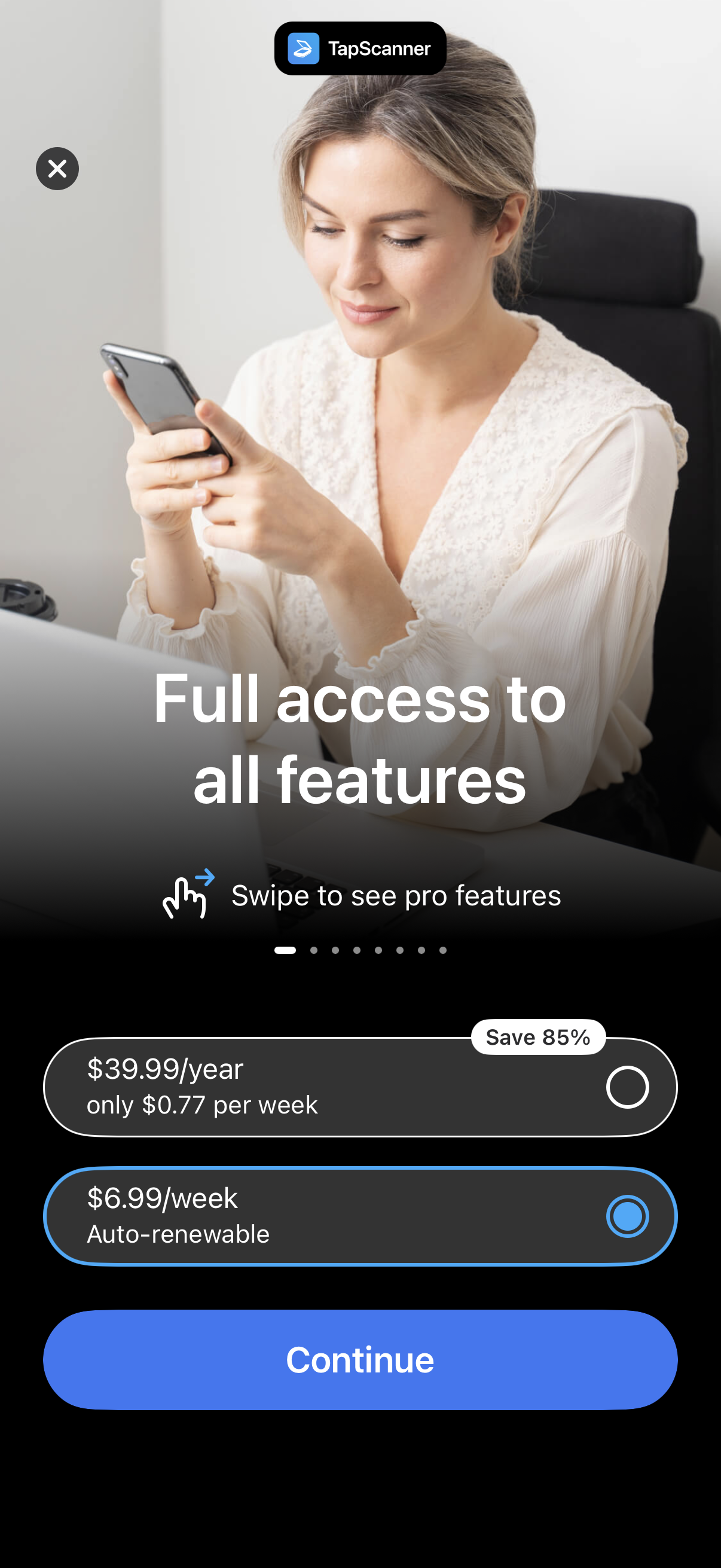
A cohort pricing analysis showed that a meaningful portion of the user base - particularly in markets like India - was churning at the paywall. The product was delivering value. The price points were not calibrated to what those users could or would pay.
I designed and implemented a geo-based price differentiation strategy that made the product genuinely accessible in price-sensitive markets while preserving margins in higher-willingness-to-pay regions.
Result: $720K in additional revenue - an 8% increase - from users who were already engaged but had been priced out of converting.
AI Model Migration
I guided the migration of the product's underlying document processing from OpenCV to Apple's Vision framework, with adaptation of a 3D mesh model. This required aligning the engineering team around a new approach, validating output quality across the range of real-world scan conditions our users encountered, and ensuring the transition did not disrupt a product millions of people used daily.
The save rate of the photo editing tools increased by 183%.
Building the Team
I initiated and oversaw the hiring of a customer support function from scratch, including prioritizing review responses by impact and creating a student coupon program. I also managed a team of five developers, three designers, one content manager, and the support hire - running the full product pipeline for the scanner while contributing to the photo editing app simultaneously.
Results
The headline number is a 158% lift in LTV - the product of compounding improvements across conversion, retention, and renewal working together.
Reflection
The scanner category has high user expectations, low patience, and strong free alternatives. Every metric in this work was treated as a diagnostic. The 158% LTV lift came from repeatedly asking why users were leaving before they should have, and consistently finding answers worth acting on.